News | Industrial Combustion Equipment
All the latest News on our company

The Middle East aims to become a leading supplier of hydrogen with significant investments
Posted on: 16 / 10 / 2025 | 0 Comentarios | Tags: E&M Combustión, Hydrogen, Middle East aims to become leading supplier of hydrogen, proyectos de hidrógeno en Oriente Medio
The Middle East aims to become a leading supplier of hydrogen with significant investments in its production. The region aims to reduce its dependence on oil and become a major exporter of low-carbon hydrogen, attracting global investment. It has ambitious production targets, but still needs to develop regulations and infrastructure to support its full potential.
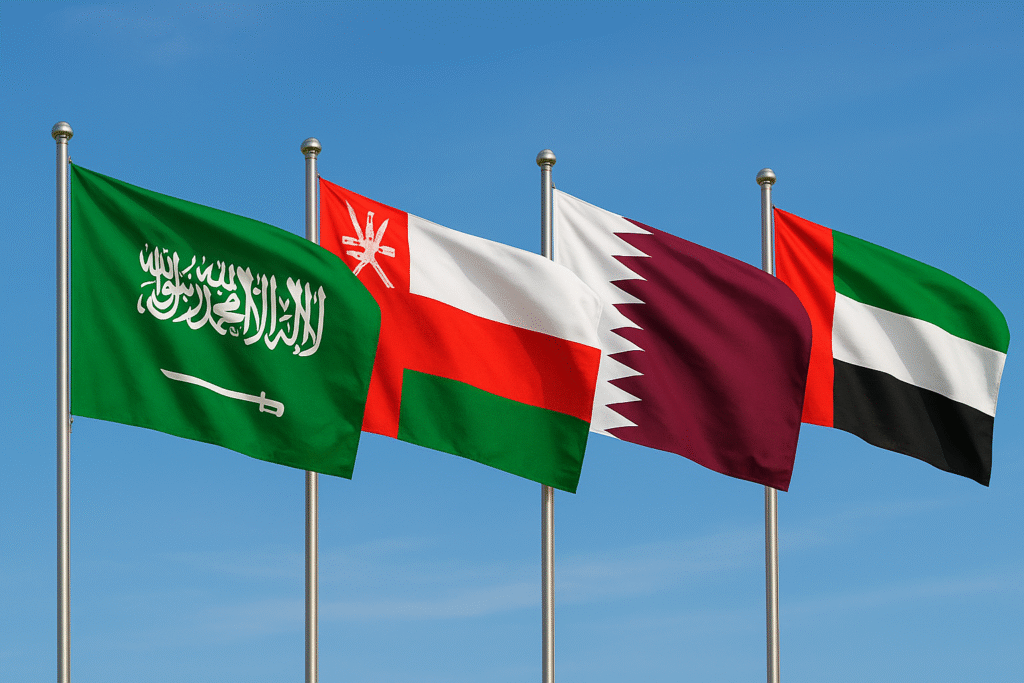
The Middle East is making significant investments in hydrogen production, taking advantage of its ideal conditions for renewable energy, including abundant sunshine and space, enabling low-cost energy for projects such as Saudi Arabia’s NEOM green hydrogen plant. Key countries such as Saudi Arabia, the United Arab Emirates (UAE), Oman, and Qatar are redefining their long-term energy and economic futures and positioning themselves as emerging leaders in the growing green hydrogen economy, with strategies such as Saudi Vision 2030 and the UAE National Hydrogen Strategy. The goal is twofold: to diversify their economies beyond oil and gas and to meet global climate goals.
Strategies such as Saudi Vision 2030 and the UAE National Hydrogen Strategy highlight the role of hydrogen in reducing oil dependence and attracting global investment.
Analysts expect hydrogen project developers in the Middle East to compete for low-carbon hydrogen/ammonia tenders in Asia and Europe, taking advantage of the significant capacity currently under construction.
Lower Hydrogen Production Costs
The Middle East produces some of the most economical renewable energy in the world thanks to its high levels of solar radiation and constant, stable winds. The region is ideal for large-scale hydrogen production, thanks to its established infrastructure, abundant undeveloped land, and low-cost renewable resources. These advantages contribute to its hydrogen production costs being among the lowest in the world (between $6.54 and $12.66 per kilogram), compared to $9.88 and $14.31 in Europe, according to S&P Global data.
In addition to its natural geography, the Middle East benefits from an established energy infrastructure and extensive experience. Key ports such as Dubai, Sohar, and Yanbu are already adapting to the export of green fuels. Its proximity to Europe, with direct maritime access through the Suez Canal and Gulf ports, offers shorter and more efficient routes.
The Middle East aims to become a leading supplier of hydrogen
The Middle East aims to become a leading supplir of hydrogen, and its ambitions in this area are more than just an aspiration. Some projects are already underway, supported by ideal conditions and large-scale projects.
One example is the $8.4 billion NEOM green hydrogen plant, projected to generate 600 tons per day, backed by energy investor, developer, and operator ACWA Power and Air Products, and scheduled to begin full-scale production in 2026. The UAE’s Hydrogen Leadership Roadmap also outlines ambitious production targets for 2050. In this case, Masdar is collaborating with Siemens Energy and Lufthansa to scale hydrogen for transportation. Meanwhile, Oman is planning a 25 GW wind-solar electrolyzer cluster as part of its Vision 2040 energy diversification strategy.
Persistent Challenges
Despite the clear advantages and ambitions of the region’s countries, scaling up any new development presents challenges. One example is NEOM’s budget, which has increased by 70% from its original $5 billion estimate due to inflation, financing costs, and supply chain pressures. Water scarcity in the region is also a major obstacle and will likely require innovative solutions such as advanced desalination or air-cooled electrolyzers. Furthermore, it will need to be integrated into existing infrastructure and electricity grids. One solution being considered is the use of specialized smart software, such as zenon, which can help manage this process and control generation, distribution, and storage for a reliable and consistent supply.
In a nascent and unstable market, political and geographical risks are inevitable. Immature demand and regulation make strategies vulnerable to policy changes, while geopolitical tensions could disrupt transportation routes, as history has shown.
Furthermore, the Middle East also faces strong competition. Australia plans to be a leading hydrogen supplier by 2050 and is leading project development, while Chile aims to become the world’s low-cost hydrogen leader by 2040, targeting 1,800 GW of capacity. Faced with growing market congestion, the Middle East plans to act quickly, scale efficiently, and prioritize cost and sustainability to remain competitive.
Environmental Footprint and Sustainability
While green hydrogen is often considered a climate-friendly solution, concerns remain that some of its benefits could be offset. For hydrogen to be truly “green,” the electricity used in electrolysis must come exclusively from additional renewable sources. Significant energy losses during conversion, compression, storage, and transportation have raised concerns about its overall efficiency.
Addressing water scarcity through desalination comes with its own environmental footprint. Furthermore, building the infrastructure for large-scale hydrogen deployment is not inherently clean. It requires large amounts of steel, concrete, and critical minerals, each with its own carbon cost.
Without strict sustainability standards and credible third-party certification, green hydrogen’s reputation risks being undermined by previous or overlooked emissions. These are not minor issues: they will determine which producers will earn lasting global trust.
This is where the Middle East could truly make its mark and differentiate itself not only as a low-cost producer, but as a dominant force in the global hydrogen economy. Saudi Arabia, the United Arab Emirates, and Oman are already closing export deals with major markets such as Europe and Asia, where domestic supply may struggle to meet demand. NEOM’s agreement with SEFE (the German state-owned energy company), in partnership with ACWA Power to supply green hydrogen to Europe, is an example of how the Gulf could contribute to industrial decarbonization abroad through hydrogen derivatives such as ammonia and methanol.
The global race to lead the hydrogen economy is on, and the Middle East has the scale, resources, and ambition to compete. But success is not guaranteed. To lead the value chain, the region must back up its objectives with credible investments and demonstrate that it can meet global standards.
This is a crucial opportunity to move from the legacy of fossil fuels to leadership in clean energy. With transparency, investment, and technical credibility, the Middle East can shape the emerging hydrogen economy.
Saudi Arabia plans to become the largest exporter of green hydrogen
Recently, SARCO, Saudi Arabian Refineries Company, and the UAE-based company Go Energy partnered to advance green hydrogen and ammonia in Saudi Arabia, following the signing of a non-binding memorandum of understanding between the two companies. The agreement involves conducting a joint study on the project and designing a legal framework to support their collaboration. The agreement aligns with Saudi Arabia’s overall strategy to generate 50% of its electricity from renewable sources by 2030 and become the world’s largest exporter of green hydrogen, with the goal of reaching annual production of 1.2 million tons by the end of the decade.
The commitment is part of the broader strategy of the National Renewable Energy Program and reflects SARCO’s strategy to expand its services through specialized energy partnerships.
Likewise, with the goal of net-zero emissions by 2060, Saudi Arabia is investing heavily in green and blue hydrogen, with companies such as Saudi Aramco and ACWA Power leading the Kingdom’s energy transition. Furthermore, the country is building the world’s largest green hydrogen plant in the futuristic NEOM city, scheduled to begin operating in December 2026. Last July, ACWA Power also signed multiple agreements to export renewable electricity and green hydrogen to Europe, reinforcing the Kingdom’s push to become a global clean energy hub.
Omani Agreement with local companies
In early October, Hydrom, the country’s government-owned company responsible for developing the hydrogen sector and implementing the green hydrogen strategy, signed an agreement with the private sector. The agreement aims to facilitate the management and operation of wind measurement stations and use them to support renewable energy resource measurement campaigns, key elements in planning the development of green hydrogen projects in Oman.
The agreement aligns with Hydrom’s commitment to its pivotal role in improving the readiness of the national green hydrogen ecosystem. This action will be achieved by localizing knowledge and skills, enhancing Omani competencies, and stimulating local content to build an integrated and sustainable value chain that supports the large-scale implementation of green hydrogen projects in the country. Other recent agreements include the formal integration of the ACME Group’s green hydrogen and ammonia project into Hydrom’s portfolio and an agreement with Chinese manufacturer Sungrow Hydrogen for the supply of equipment.
UAE to produce 1.4 million tons of hydrogen annually
Another example of the Middle East aims to become a leading supplier of hydrogen: The UAE’s National Hydrogen Strategy 2050 aims to become a world leader in low-emission hydrogen production by 2031, with a target of 1.4 million tons annually. Key components of the strategy include developing supply chains, creating “hydrogen oases” (integrated ecosystems), and investing in R&D to drive domestic decarbonization and expand global exports.
Key goals include producing 1.4 million tons of low-carbon hydrogen annually by 2031 and 14.9 million tons by 2050, including green, blue, and pink hydrogen, as well as domestic decarbonization. It plans to use hydrogen to contribute to the decarbonization of key industries, with the goal of reducing emissions in hard-to-abate sectors such as transportation, the chemical industry, and metallurgy by 25% by 2031 and 100% by 2050.
Furthermore, it plans to become a global supplier, strengthening its position as a major producer and supplier of low-emission hydrogen to the global market.
Likewise, it will develop policy frameworks to drive industry growth, including regulations for low-carbon hydrogen, and establish regional and international collaborations to establish a thriving hydrogen market regionally and globally.
Rail Transport Solutions
The UAE has taken another decisive step toward its clean energy future, as Masdar, the country’s leading renewable energy company, and Etihad Rail, the national rail network operator, have announced a pioneering partnership to explore transportation solutions for the green hydrogen value chain.
Green hydrogen is produced using renewable energy sources such as solar and wind, resources that the UAE possesses in abundance. By linking hydrogen production sites with rail transport, the UAE is seeking a seamless, low-carbon supply chain that could move this clean fuel through industrial hubs and potentially to export terminals along the country’s coastlines.
Qatar Invests $1 Billion in Hydrogen Plant
With its $1 billion investment in a hydrogen plant, Qatar joins its regional neighbor, Saudi Arabia, in investing in sustainability. To this end, QatarEnergy has signed agreements with Industries Qatar QSC and its subsidiary, Qatar Fertiliser Co., to develop a blue ammonia plant capable of producing up to 1.2 million tons per year.
Germany’s ThyssenKrupp AG and Greece’s Consolidated Contractors Co. are the contract winners for the plant, known as “Ammonia-7.” To produce ammonia, hydrogen is combined with nitrogen. When hydrogen is extracted from natural gas and carbon dioxide is captured, the resulting ammonia is considered “blue.” According to company statements, approximately 1.5 million tons of carbon dioxide per year will be captured and sequestered from the ammonia production process once the blue ammonia plant comes online in the first quarter of 2026. Qatar aims to develop its carbon capture and storage facilities to be able to sequester up to 11 million tons of carbon dioxide per year by 2035.
La alemana ThyssenKrupp AG y la griega Consolidated Contractors Co. son los adjudicatarios del contrato para la planta denominada “Ammonia-7”. Para producir amoníaco, se combina hidrógeno con nitrógeno. Cuando se extrae el hidrógeno del gas natural y se captura el dióxido de carbono, el amoníaco resultante se considera “azul”. Según los comunicados de la compañía, se capturarán y secuestrarán aproximadamente 1,5 millones de toneladas de dióxido de carbono al año del proceso de producción de amoníaco una vez que la planta de amoníaco azul entre en funcionamiento en el primer trimestre de 2026. Qatar aspira a desarrollar sus instalaciones de captura y almacenamiento de carbono para poder secuestrar hasta 11 millones de toneladas de dióxido de carbono al año para 2035.
Sources: Arab News, S&P Global, Fuel Cells Works, International Energy Agency (IEA), y Agencias.